Monocular 3D Vehicle Detection on Mobile
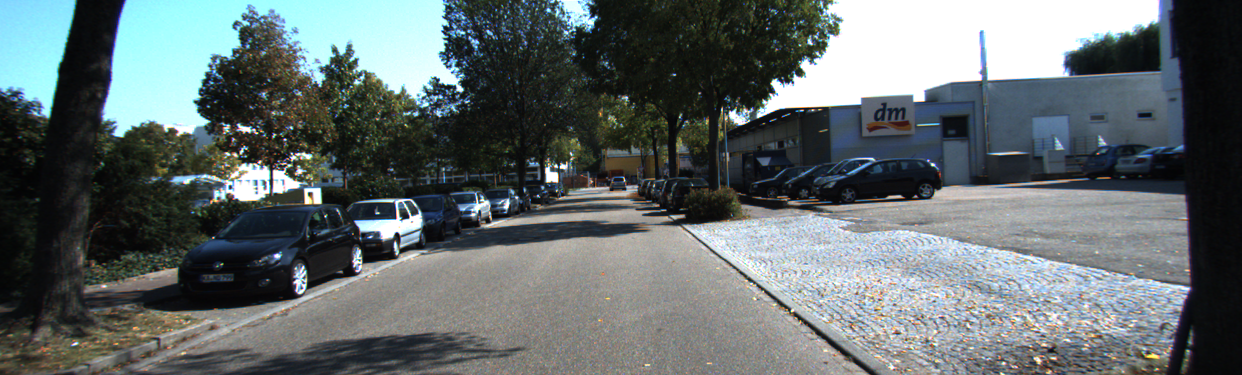
A lightweight single-camera 3D car detector for KITTI. A MobileNetV2 + FPN backbone and a CenterNet-style head predict full 3D boxes from one RGB image, exported to a 5 MB TFLite model.
Computer vision & machine learning engineer
I build perception models that are small enough to run on a phone, from monocular 3D detection to efficient CNN backbones.
Selected work
A lightweight single-camera 3D car detector for KITTI. A MobileNetV2 + FPN backbone and a CenterNet-style head predict full 3D boxes from one RGB image, exported to a 5 MB TFLite model.
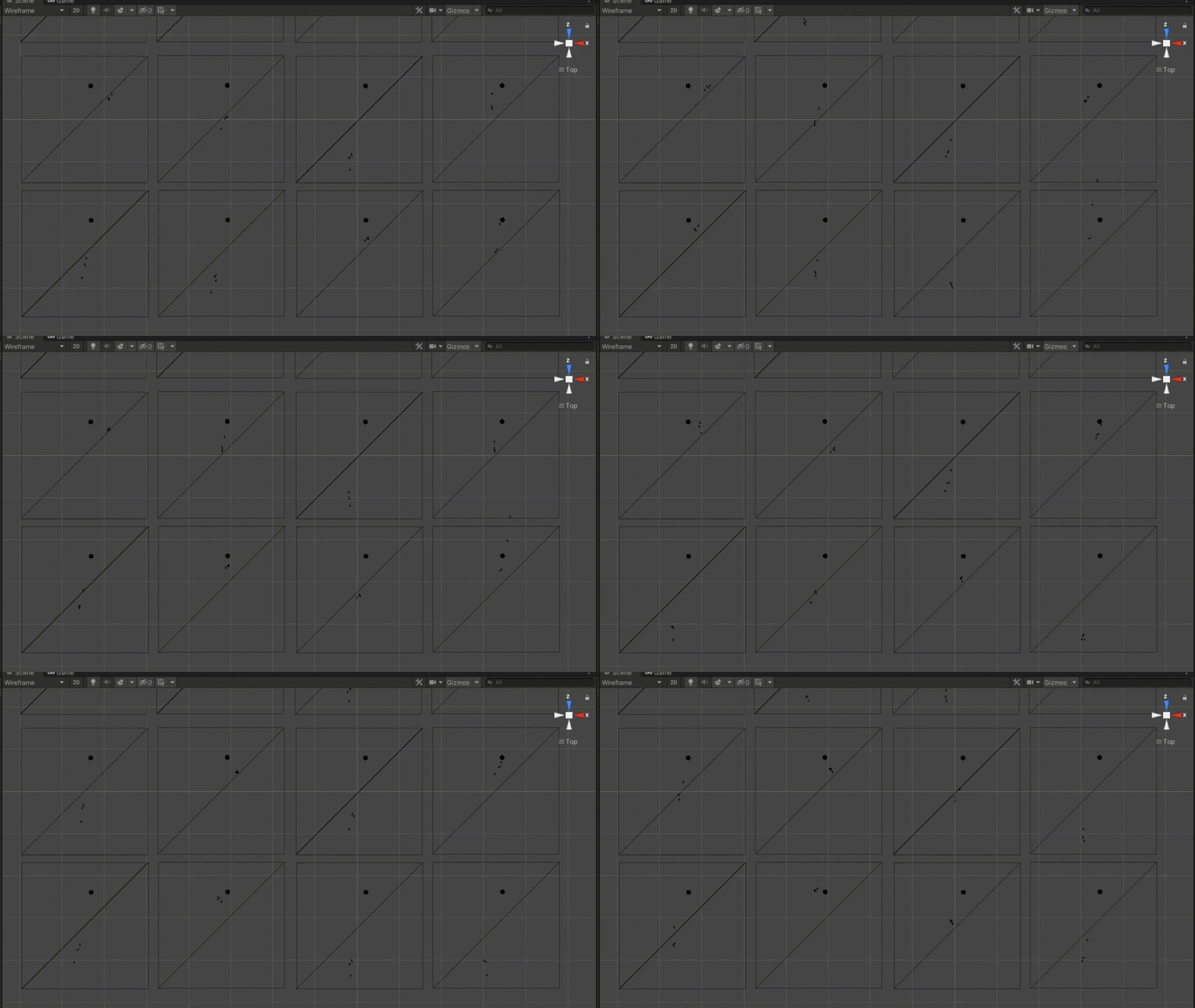
My Honours BSc project. Agents in Unity learn where to place each footstep to reach a goal, a reinforcement-learning take on footstep-based crowd navigation.
Paper-to-code reimplementations of MobileNetV1/V2 and a Feature Pyramid Network in Keras, trained on CIFAR-10/100. These became the backbone of my 3D detector.
A PyTorch implementation of DDPM, covering the linear noise schedule, the forward noising process, timestep sampling and a U-Net denoiser.
Regressing a camera's 6-DoF position and orientation directly from a single image with a GoogLeNet-based CNN, following the PoseNet paper.
A full-stack Django web app for a restaurant, with menu pages, item details and a table-booking form backed by a database.
About
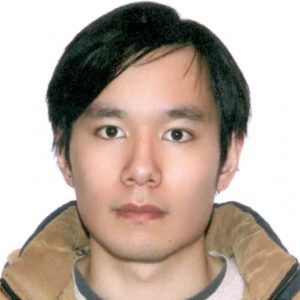
I'm Pengxiang (Percy) Jia. I studied visual computing in Simon Fraser University's Professional MSc in Computer Science, after an Honours BSc in Computer Science at the University of Victoria. My work sits where computer vision meets efficient deployment: reading the paper, implementing the model from scratch, training it, and getting it to run on real hardware.
Lately that has meant monocular 3D vehicle detection with a lightweight MobileNetV2 + FPN backbone, exported to TFLite for on-device inference. Before that I worked on diffusion models, classic CNN architectures, and reinforcement-learning agents in Unity.